Digital Marketing

Marketing for Service Businesses
Digital Marketing

Why Marketing for Service Businesses Isn’t Working: 3 Critical Mistakes Hurting Your Growth

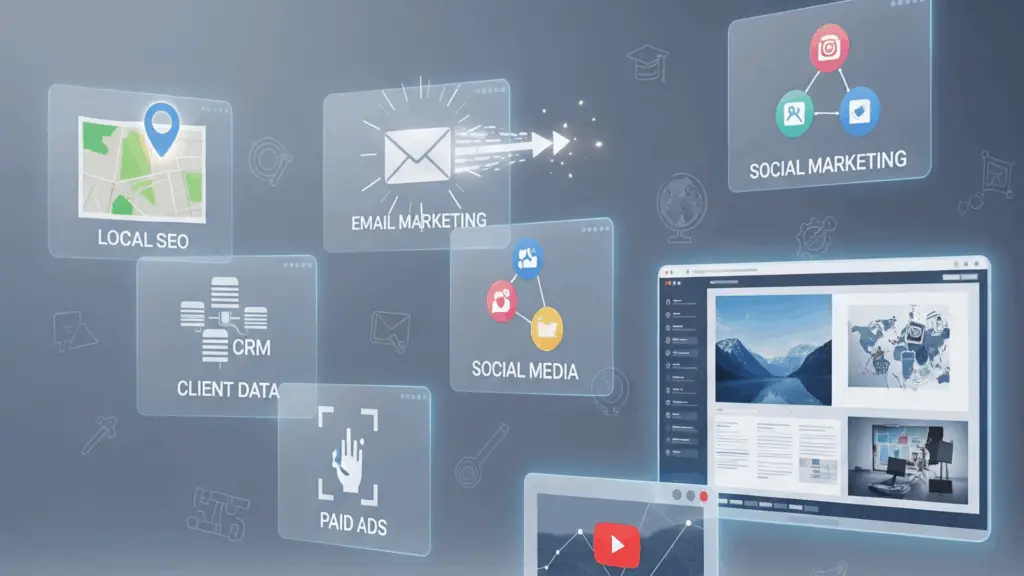
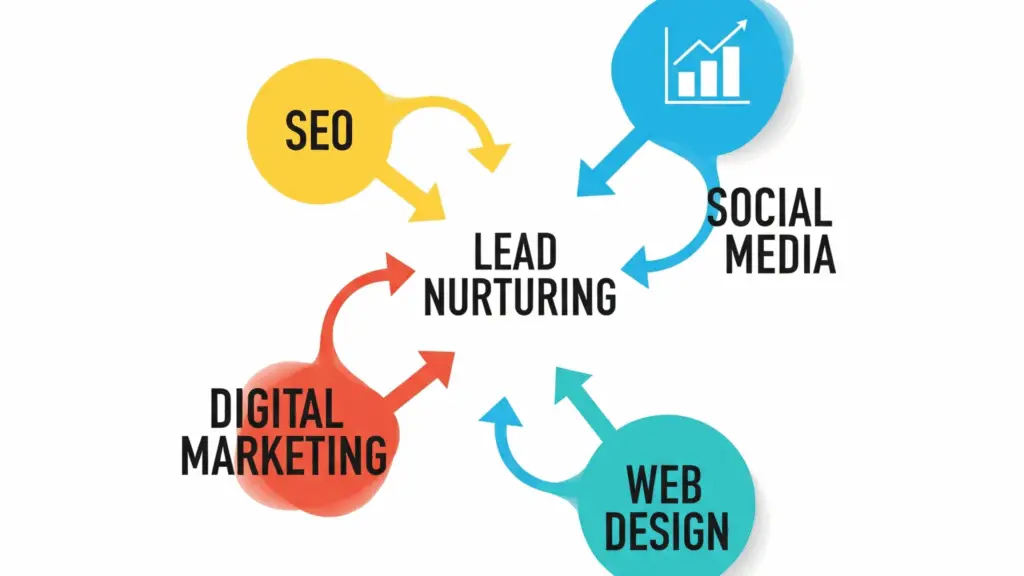
In today’s fast-paced online landscape, almost every service business knows they “need marketing” — yet many are frustrated when the leads don’t come in. Whether you run a law firm, a real estate office, a gym, or a cleaning company, you may feel like you’ve tried marketing campaigns only to watch your results plateau. The truth? It’s not that marketing for service businesses doesn’t work. It’s that the wrong approach drains your budget and sabotages your growth. Let’s break down three critical mistakes we see across industries — and how to fix them with the right strategy. Mistake #1: Treating Your Website Like a Brochure Instead of a Sales Tool For too many service businesses, the website is treated like a box to check — “we have one, so we’re covered.” But in 2025, a static brochure site isn’t enough. Real Estate agents need websites that showcase listings, capture buyer/seller leads, and integrate with CRMs. Healthcare & wellness practices must build trust with secure, easy-to-navigate designs that make booking appointments seamless. Contractors need clear service explanations, before-and-after visuals, and strong calls to action. A weak, generic website won’t convert. Your site should be a conversion-driven hub that works around the clock — optimized for search engines, mobile responsive, and fast-loading. This is why our industry-specific website development services go beyond design. We focus on user experience, storytelling, and lead capture features that actually move visitors to call, book, or request a quote. Effective marketing for service businesses starts with a website that works like a sales team, not a static brochure. Mistake #2: Weak SEO Strategies in Marketing for Service Businesses Another major pitfall? Businesses that assume simply being “online” means people will find them. In competitive fields like legal services, fitness coaching, automotive repair, or pet care, visibility only happens when your site is properly optimized. The problem often comes down to: Weak keyword targeting: Trying to rank for broad, national terms when the real money comes from local searches. Ignoring Google Business Profile: Many businesses never optimize their GBP, missing out on local pack rankings. Inconsistent content: Sporadic blogs and poorly written service pages don’t give Google enough authority signals. Without strong SEO, you’re invisible when people search “family lawyer near me,” “dog groomer in [city],” or “emergency plumber open now.” Our SEO services are built for this. We combine on-page optimization, technical fixes, local SEO strategies, and content development so your business ranks where it matters: in front of the customers in your area who are ready to buy. This is the backbone of successful marketing for service businesses across every industry. Mistake #3: Expecting Instant Results Without Consistency or Nurturing Digital ads, social media posts, or even email campaigns often fail not because they’re ineffective — but because they’re inconsistent and unsupported by follow-up systems. Fitness studios might run Facebook ads but never nurture new leads who sign up for free classes. Financial advisors may send one newsletter, then go silent for months. Wedding venues post sporadically on Instagram, missing the engagement needed to stay top of mind. The fix isn’t just more marketing — it’s smarter marketing supported by systems. That’s why we integrate Lead Nurturing CRM solutions into our packages. Automated follow-ups, segmented campaigns, and real-time analytics ensure that every lead is guided along the customer journey. Paired with social media management and paid advertising, this creates consistency — the kind that makes marketing for service businesses sustainable and profitable. How These Mistakes Compound Each of these issues — weak websites, poor SEO, lack of nurturing — is damaging on its own. But together, they create a cycle: A generic website fails to convert the few visitors you do get. Low search rankings mean you don’t get enough visitors in the first place. Inconsistent follow-up means even good leads slip through the cracks. That’s why businesses across real estate, healthcare, legal, fitness, home improvement, cleaning, and beyond often feel like their marketing dollars disappear without impact. Correcting these issues is the only way to make marketing for service businesses deliver real, measurable results. The Path to Marketing That Works Avoiding these pitfalls starts with aligning your strategy with how modern customers actually buy services: Discoverability – SEO and local search make you visible when prospects are actively searching. Credibility – A conversion-driven website gives them confidence to trust your brand. Consistency – Automated CRM follow-up, targeted ads, and strong social presence nurture leads until they’re ready to buy. This is why Hit Marketing offers full-spectrum solutions: custom websites, SEO, CRM integration, paid ads, and social management designed specifically for service industries. It’s an approach to marketing for service businesses that addresses the entire journey from discovery to conversion. Taking Action to Improve Your Marketing for Service Businesses Results If you’ve tried campaigns before and felt disappointed, you’re not alone. Most service businesses struggle because they fall into one of these traps: treating their website like an afterthought, ignoring SEO fundamentals, or running campaigns without a nurturing system. The good news? Each of these mistakes can be fixed — and when corrected, they create a system that attracts, engages, and converts at scale. At Hit Marketing, we don’t just “do marketing.” We build strategies that help real people in real industries — from attorneys and doctors to fitness coaches and contractors — get measurable results. Because when marketing for service businesses stops working against you and starts working for you, growth becomes inevitable.

Social Media Strategies
Social Media Management, Digital Marketing

What Are the Top Social Media Strategies for Local Service Businesses?

You’ve seen it: a contractor’s one-day kitchen refresh reel, a gym client’s transformation, a pet groomer’s before-and-after—each post pulling real attention (and real leads). But what other moves reliably help service providers stand out now? The playbook blends creative, original content, social search optimization, DM-friendly CTAs, and data-first iteration. Use the ideas below to build trust, spark engagement, and turn scrollers into inquiries. Establishing Brand Identity Keep your brand unmistakable across platforms. Use one logo, color palette, and voice—then show your team and clarify what sets you apart (eco-friendly products, mobile convenience, bilingual support, emergency hours). When every post looks and sounds like you, your Social Media Strategies land with clarity instead of feeling random. Content Planning and Creation: Social Media Strategies That Show Expertise Showcase your expertise with a simple plan that mixes proof, education, and personality. Lean into short-form video, carousels, progress snippets, and “what to expect” explainers. Optimize for social search with natural keywords in titles, captions, and on-screen text. Encourage replies with polls and Q&As; reply fast with helpful, non-salesy guidance. Build a content calendar (Mon tips, Wed proof-of-work, Fri community/UGC) to train both the algorithm and your audience. Visual storytelling: Before/after repairs, quick safety checks, stain-removal demos, student wins, event setup previews, form cues, treatment rooms, fraud-prevention bites, wellness FAQs, plain-English legal or financing explainers. Audience engagement: Questions, “this or that,” and DM prompts to continue conversations privately. Consistent content: A steady cadence improves discoverability and conversion rate over time. These Social Media Strategies keep your feed useful, credible, and worth saving—lifting engagement rate, saves, and click-throughs to your site or booking page. Engaging With Local Community Co-host workshops with complementary businesses, sponsor youth teams, or run hands-on demos (basic car-care, pet first-aid, home maintenance 101). Share behind-the-scenes prep, go live during the event, then post a recap reel and tag partners. Community-first Social Media Strategies widen reach, deepen brand affinity, and unlock introductions you can’t buy with ads. Thoughtful outbound engagement (adding value in creator comment threads) also puts you in front of adjacent audiences. Showcasing Before-and-After Transformations Proof of work converts. Tell the mini-story—starting point, fix, outcome—then pair with a genuine testimonial. Client testimonials: Add a short quote to the “after” image or reel for trust. Visual storytelling: For longer engagements, post progress snippets so followers see the journey, not just the finish. Project highlights: Call out the detail that made the difference—same-day service, hypoallergenic products, evidence-based protocol, or market insight. Narrative-driven Social Media Strategies reduce hesitation and nudge viewers toward action. Utilizing Hashtags Effectively Hashtags still expand reach when they’re targeted and tidy. Blend niche tags (#HomeRepairTips, #PetGrooming, #WeddingPlanning, #TutoringHelp) with location formats (#[City]Cleaning, #[City]Realtor) and a short branded tag you can own. Keep a living list, retire duds, and double down on winners. Hashtag-layered Social Media Strategies help new audiences discover you without paid spend. Hashtag Best Practices Be specific: Use industry-relevant terms to attract qualified viewers. Mix trending and evergreen: Pair timely tags (#BackToSchoolTutoring, #OpenHouse) with staples (#SmallBusiness, #LocalServices). Create a branded tag: Keep it short and invite customers to use it in their posts. Hashtag Tracking Tools Use native analytics and reputable dashboards to see which tags lift reach, saves, and profile taps. Track performance by post type (reel vs. carousel) and retire sets that underperform. Data-guided Social Media Strategies keep your hashtag mix lean and effective. Leveraging User-Generated Content UGC is trust you don’t have to script: Customer testimonials: Ask for quick phone-shot clips (“What surprised you about working with us?”); pin the best to highlights. Influencer collaborations: Partner with micro creators in your exact niche for believable reach and authentic reviews. Photo/video contests: “Study corner,” “fresh cut,” “weekend ride check.” Get permission, credit creators, and reshare. UGC-led Social Media Strategies feel human, deepen social proof, and expand your creative well. Promoting Seasonal Services Map offers to the calendar: venue tours and outdoor makeovers in warm months; back-to-school tutoring bundles and preventive maintenance in fall; event packages, deep cleans, end-of-year financial checkups, and “new routine” coaching in winter. Seasonal Social Media Strategies align timely problems with clear solutions and limited-time CTAs. Use social listening to catch micro-trends that actually fit your audience (skip fads that don’t). Analyzing Insights and Adjusting Strategies Let data steer the next post. Track reach, shares and saves, profile taps, CTR, and conversion actions by format and theme. Watch where meaningful conversations start (often in DMs) and build more around those topics. Time posts for when your core followers are active, and tailor creative to segments that respond most. Data-driven Social Media Strategies keep you iterating on what works and pruning what doesn’t. Turn Your Social Presence Into Real Results Now that you’ve explored the top Social Media Strategies for local service businesses, it’s time to put them into action. Imagine sharing a crisp before-and-after that tells a mini story, using relevant keywords in captions and on-screen text for social search, pairing the right hashtags to reach new viewers, and engaging with followers in comments and DMs to build real community. By implementing these strategies consistently, you’ll showcase your work, earn trust, and turn views into inquiries and bookings. Get started today and watch your online presence grow.

AI and Human Creativity
Digital Marketing

How to Balance AI and Human Creativity in Digital Campaigns

Artificial Intelligence (AI) has transformed the marketing landscape, offering brands the ability to streamline tasks, analyze massive datasets, and generate content at scale. Yet, as powerful as AI is, it lacks the emotional intelligence, cultural understanding, and creative spark that define authentic brand messaging. Successful digital campaigns require a synergy between AI and human creativity in digital marketing, where data-driven insights support innovative storytelling rather than replace it. In this article, we’ll explore how marketers can strike the perfect balance between AI and human input, identify when to use AI tools versus creative strategy, and look at real-world examples of how both work together to drive meaningful engagement. The Role of AI in Modern Marketing AI has become an essential part of digital marketing strategies, offering speed, scalability, and precision that manual efforts can’t match. From analyzing consumer behavior to personalizing ad targeting, AI is reshaping how brands connect with audiences. Some of the most common AI applications in marketing include: Predictive Analytics: AI algorithms forecast customer behavior by identifying trends and patterns, helping marketers anticipate needs and optimize campaigns. Automated Content Generation: Tools like ChatGPT and Jasper create blogs, ad copy, and product descriptions quickly and efficiently. Customer Segmentation & Targeting: AI helps divide audiences into highly specific segments for more personalized and relevant campaigns. Programmatic Advertising: AI automates ad placement in real-time, ensuring optimal reach and cost efficiency. While these capabilities provide a data-driven backbone for campaigns, they can’t replace the unique creativity and emotional connection that humans bring to storytelling and brand building. Why Human Creativity Still Matters While AI can optimize digital campaigns, creativity is what makes them memorable and emotionally resonant. Humans bring a deep understanding of culture, context, and emotion—qualities that machines can’t replicate. A campaign might be data-driven, but without a compelling narrative, it risks feeling generic or uninspired. Key Strengths of Human Creativity: Emotional Intelligence: Humans can craft stories that resonate with real emotions, values, and experiences. Brand Voice & Identity: Creative professionals maintain the unique tone and style that distinguish one brand from another. Cultural Awareness: Humans understand cultural nuances and trends that AI might misinterpret. Originality & Intuition: The best ideas often come from a creative “gut feeling,” something AI cannot replicate. AI can assist in content generation or testing variations, but it’s the human touch that transforms a campaign from functional to unforgettable. This balance of AI and human creativity in digital marketing is what allows brands to stand out in competitive markets. Finding the Right Balance Between AI and Creativity The key to successful digital campaigns isn’t choosing between AI and human creativity but knowing when to leverage each for maximum impact. AI excels at handling repetitive, data-heavy tasks, while humans shine in conceptualizing and executing ideas that evoke emotion and authenticity. How to Blend AI and Human Input: Use AI for Data-Driven Insights: Let AI handle tasks like analyzing consumer behavior, keyword trends, or A/B testing results, providing the foundation for creative strategies. Reserve Creativity for Storytelling: Humans should focus on shaping brand stories, designing visuals, and crafting messaging that feels genuine and personal. Collaborate, Don’t Compete: AI can generate drafts, headlines, or content variations, while humans refine them to match the brand voice and ensure originality. Regularly Review AI Outputs: Always have a human editor ensure the content is not only accurate but also emotionally engaging. When businesses embrace AI and human creativity in digital marketing, they achieve campaigns that are both efficient and emotionally impactful—where technology supports creativity rather than overshadowing it. Examples of AI-Human Collaboration in Marketing Many leading brands have found success by combining AI capabilities with human creativity. This hybrid approach allows them to leverage data-driven insights while maintaining an authentic brand voice. Real-World Examples: Coca-Cola’s AI-Powered Campaigns: Coca-Cola uses AI to generate creative design concepts, but human marketers select and refine the best ideas to ensure they align with the brand’s emotional appeal. Sephora’s Virtual Assistant + Human Stylists: Sephora’s AI chatbots help customers find products quickly, while human beauty experts create personalized recommendations and video tutorials. Netflix Content Recommendations: While AI analyzes viewing habits to suggest content, creative teams produce emotionally driven trailers, descriptions, and campaigns to generate excitement. These examples highlight that AI provides the data and automation, but humans craft the narrative that connects with audiences on a deeper level. Tips for Maintaining Authenticity in AI-Driven Campaigns As AI takes on a bigger role in digital marketing, maintaining authenticity is crucial to avoid content that feels robotic or disconnected. Brands must ensure that automation supports genuine storytelling rather than replacing it. Practical Tips: Always Edit AI Content: Use AI-generated drafts as a starting point but refine them with a human voice to ensure personality and tone. Incorporate Brand Storytelling: Make sure every piece of content—whether AI-assisted or not—reflects your brand’s values, mission, and unique voice. Limit Over-Automation: Don’t rely on AI for every touchpoint. Customer interactions, such as social media engagement or personalized emails, benefit from a real human presence. Test and Iterate with Human Input: AI can suggest optimal times or formats, but humans should review campaign outcomes for creativity and audience connection. This blend of AI and human creativity in digital marketing helps brands stay authentic while still leveraging cutting-edge technology. Achieving the Perfect Blend of AI and Creativity in Your Digital Campaigns AI is transforming the digital marketing world by providing data-driven insights, automating repetitive tasks, and optimizing campaigns for efficiency. Yet, no matter how advanced AI becomes, human creativity remains the foundation of successful marketing. It’s the human touch that crafts emotionally compelling messages, understands cultural nuances, and builds brand stories that resonate. For businesses aiming to stand out online, the winning formula is clear: use AI as a powerful tool to enhance strategy, but rely on human ingenuity to connect with your audience in meaningful ways. By combining AI and human creativity in digital marketing, you can deliver campaigns that are both innovative and authentic. Ready to elevate your digital marketing strategy?

Digital Marketing for Healthcare and Wellness
Digital Marketing

How Digital Marketing for Healthcare and Wellness Brands Attracts and Retains More Patients

Digital marketing for healthcare and wellness providers is no longer optional — it’s essential. With rising patient expectations and growing competition from online-first health brands and influencers, clinics and wellness professionals must create digital experiences that match the quality of their in-person care. A strong digital strategy blends web design, SEO, and social media into one cohesive system — not just to attract new patients, but to retain them through personalized engagement and trust-building content. Whether you operate a medical clinic, wellness center, or therapy practice, your online presence is now a vital part of the patient journey. In this article, we’ll explore how to build a seamless digital marketing approach that not only increases visibility but helps you grow a loyal patient base. Your Website Is the Digital Front Door — Make It Count In healthcare, first impressions matter — and your website is often where they’re formed. It’s not just about design; it’s about building credibility, clarity, and confidence the moment someone lands on your page. Here’s what every high-converting healthcare website should deliver: Mobile-friendly, fast-loading performanceMost patients browse on mobile. A laggy or misaligned site leads to quick exits. Clear, compelling calls-to-action“Book Now” and “Contact Us” buttons should be prominent, functional, and easy to follow. Trust-centered contentStaff bios, licenses, certifications, testimonials, and real patient success stories establish legitimacy. Compliance and accessibilityHIPAA-compliant forms, SSL security, and ADA-friendly design aren’t optional — they’re expected. Your website should serve as the central hub of your digital marketing for healthcare and wellness, ensuring all traffic — whether from search or social — converts into real patients. Want to Be Found? SEO Is the Engine Behind Patient Discovery No matter how strong your services are, patients won’t find you if your website isn’t ranking — and local SEO is where that visibility begins. At Hit Marketing, we help healthcare clients show up in the exact moments patients are searching. Here’s how your practice can do the same: Target local search intentUse phrases like “family dentist in [city]” or “massage therapy near me.” Think like your patients. Optimize your Google Business ProfileKeep it updated with services, hours, photos, and encourage authentic reviews. It’s your local ranking lifeline. Publish helpful, relevant contentAnswer patient questions with blogs, FAQs, and service pages. This increases keyword depth and positions you as an expert. Use on-page SEO best practicesThat means optimized meta titles, structured headings, proper URLs, and strong internal linking. Establish E-E-A-T credibilityGoogle prioritizes websites that demonstrate Experience, Expertise, Authoritativeness, and Trustworthiness — especially in health-related fields. Highlight awards, media mentions, and credentials across your site. When done right, SEO for healthcare and wellness brands becomes a long-term growth engine — helping the right patients find you, right when they need you. Turn Social Media Into a Trust-Building Tool, Not a Chore Patients aren’t just looking for services — they’re looking for connection, credibility, and community. Social media gives your practice a way to show personality and build relationships before a patient ever walks through your door. Here’s how to use social platforms effectively: Educational contentBreak down complex topics in simple terms. Teach instead of sell. Think “What to Expect from Your First Physical Therapy Visit.” Authentic storytellingShare patient journeys (with permission), behind-the-scenes clips, or introduce your team. It humanizes your brand. Consistent brandingFrom imagery to tone, your visuals and voice should reflect your professionalism and care standards. Two-way engagementDon’t just broadcast — respond, comment, and participate in relevant conversations. Social media helps healthcare and wellness professionals stay top of mind, reinforcing the trust that drives patient loyalty and referrals. Keep Patients Coming Back: Retention Through Automation and Connection New patients are great. But long-term growth happens when they return, refer, and stay engaged. The secret? Consistent, personalized follow-up — powered by smart automation. Here’s how to stay top of mind without overwhelming your team: Automated appointment remindersReduce no-shows and improve the patient experience with timely texts or emails. Ongoing email campaignsSend seasonal health tips, wellness updates, or new service announcements — all tied to your patients’ interests. Retargeting ads for unbooked visitorsUse platforms like Facebook and Google to re-engage people who visited your site but didn’t schedule. Ethical data-driven messagingSegment patient lists based on services used, and deliver personalized recommendations or reminders. Post-visit review requestsAutomate feedback collection to generate reviews that help boost your local SEO and build trust with future patients. Retention is about relationship building — and digital marketing for healthcare and wellness practices must include strategies that extend beyond the first appointment. Ready to Elevate Your Healthcare and Wellness Brand with Digital Marketing? Digital success isn’t just about being online — it’s about being intentional online. A thoughtful website, strong SEO, authentic content, and smart retention systems can transform how you attract and keep patients. At Hit Marketing, we specialize in digital marketing for healthcare and wellness providers, building cohesive strategies that connect with real people and deliver measurable results. If you’re ready to increase visibility, convert more traffic, and retain loyal patients, we’re here to help. Call us at(951) 906-9171or fill out the contact form to schedule your free strategy session. Let’s build a digital foundation that supports the care you provide — and the growth you deserve.

Cleaning Business
Digital Marketing

Why Your Cleaning Business Needs a Strong Online Presence to Compete Locally

If you’re running a cleaning business in California, you already know how competitive the industry can be. Whether you’re focused on residential cleaning in the suburbs or commercial janitorial services in busy city districts, standing out in your local market is key. But here’s the thing: having a great team and reliable service isn’t enough if people can’t find you online. In this article, we’ll explore why an online presence isn’t just helpful — it’s essential. You’ll learn how a professional website, consistent social media presence, and positive online reviews can elevate your cleaning business and help you win more local clients. And if you’re wondering where to start, Hit Marketing, a California-based digital marketing agency, works with service businesses like yours every day to build strategies that actually drive growth — not guesswork. Your Website Is the Foundation of Your Online Presence Think of your website as your cleaning business’s digital headquarters. It’s the first place most potential customers will visit, whether they found you through Google, a review, or social media. A modern, trustworthy website should do more than just say what you do — it should make it easy for people to reach out, understand your services, and feel confident about hiring you. Here’s what a successful cleaning or janitorial services website should include: Clear, SEO-optimized service descriptions: Whether you offer recurring house cleaning, deep cleans, or office janitorial services, be specific — and use the language your customers are searching for. Strong calls to action: A “Get a Quote” button, clear contact form, or direct phone number on every page keeps the process friction-free. Visual proof of your work: Before-and-after photos or client testimonials build trust fast. Mobile-first design: Many Californians will be searching from their phones — your site needs to look and function flawlessly on mobile. Speed and structure: A fast-loading, easy-to-navigate site helps reduce bounce rates and improve your search engine rankings. A professional website doesn’t just look good — it helps convert casual browsers into paying clients. And in a state like California, where customers have countless choices, that first impression matters. Why Social Media Still Matters for Cleaning Services Social media isn’t just for influencers or restaurants — it’s a powerful (and often underused) tool for local service providers. When used right, it can help your cleaning business stay visible, relevant, and connected to your community. Even if you’re not posting every day, having an active presence on platforms like Facebook and Instagram helps you: Stay top-of-mind: A few posts a week can keep your cleaning business in front of current and future clients. Showcase real results: Quick videos, photo slideshows, or reels of your team at work highlight your professionalism and attention to detail. Build a relatable brand: People like to do business with people. Introducing your team or showing behind-the-scenes moments humanizes your brand. Encourage local referrals: Happy customers can tag you or share your content — free marketing in the best way possible. And remember: you don’t need to be on every platform. Choose one or two that match your audience, stay consistent, and let your social content work behind the scenes to build familiarity and trust. Partnering with the Right Marketing Team for Your Cleaning Business Growth Digital marketing takes time, strategy, and consistency — and if you’re already managing a crew, scheduling jobs, and handling customer support, it’s not always realistic to do it all yourself. That’s where Hit Marketing can help. We specialize in working with service businesses across California, including cleaning companies, to build powerful online strategies that actually get results. From SEO-driven websites to professional social media management and reputation building, we tailor every solution to your goals and local market. When all the moving parts of your online presence are aligned — from reviews to rankings — you’ll spend less time chasing leads and more time running your business. You don’t have to do it all alone, and with the right partner, marketing can feel like momentum instead of a struggle. Grow Your Cleaning Business Locally with the Right Digital Strategy In a competitive state like California, where new businesses pop up every month, a strong digital presence isn’t optional — it’s a core part of how your cleaning business can grow and stay competitive. Throughout this guide, we’ve explored how each element of your online strategy — from your website and reviews to your social presence — works together to build trust, generate visibility, and convert leads into long-term clients. If you’re ready to improve how your business shows up online, we’re here to help. At Hit Marketing, we understand the challenges cleaning businesses face and how to meet them with smart, effective digital tools. Call us at [insert phone number] or complete our [contact form] to schedule a free discovery call. We’d love to learn more about your goals — and help your cleaning business get found and chosen by the right customers.

Law Firm
Digital Marketing

How Digital Marketing is Transforming Law Firm Growth in 2025

For decades, law firms have relied heavily on word-of-mouth referrals and traditional marketing methods. But in 2025, the legal industry is rapidly evolving into a digital-first environment. Simple billboard ads or basic directory listings just don’t cut it anymore. Digital marketing is no longer a luxury—it’s essential for any law firm looking to grow and thrive. Whether you’re a solo practitioner specializing in family law or a boutique firm focused on estate planning, your online presence, lead generation, and reputation management now define your competitive advantage long before the first consultation takes place. This article explores the most impactful digital marketing trends that are reshaping how law firms attract clients today—covering everything from search engine visibility and AI-driven automation to conversion-optimized websites. If your legal practice wants to stay competitive in 2025, an outdated marketing strategy won’t get you there. Search Engine Visibility Has Replaced Traditional Referrals Today, most potential clients start their search for legal help online rather than asking friends or family. Whether they need a divorce attorney, personal injury lawyer, or business law expert, their first move is to “Google it.” That makes search engine optimization (SEO) critical for law firms aiming to appear prominently in search results. Ideally, your firm should rank in the top three spots or secure a spot in the Google Map Pack to capture local traffic. Here’s how firms are winning the SEO game this year: Localized SEO: Law firms are focusing on “near me” searches and geo-targeted keywords like “DUI lawyer in Austin” to show up in the exact areas where potential clients need them. Optimizing Google Business Profiles, listing on legal directories, and gaining backlinks from local sources all play a part. Dedicated Practice Area Pages: Instead of lumping all services under a generic “Services” tab, law firms are creating individual, keyword-rich pages for specialties such as immigration law, estate planning, or business contracts to attract highly relevant visitors. Technical SEO Enhancements: Google now rewards websites that load quickly, are mobile-friendly, secure, and technically optimized with schema markup and Core Web Vitals compliance. Law firms investing in these improvements see higher rankings and better user engagement. In today’s digital-first world, ranking well on search engines isn’t a bonus—it’s necessary for survival. AI and Automation Are Revolutionizing Lead Generation Gone are the days of missed phone calls and delayed email responses. In 2025, law firms are leveraging artificial intelligence and automation to engage with potential clients instantly, often before competitors even know there’s interest. Here’s how these innovations are changing client intake: Smart Chatbots: AI-powered chatbots, often using GPT-style technology, answer common legal questions, schedule consultations, and pre-qualify leads around the clock. This immediate interaction keeps prospects engaged without overburdening your staff. Automated Follow-Ups: Customer relationship management (CRM) systems now automate personalized emails and SMS messages to follow up with leads in a timely manner—helping your firm stay top-of-mind without sounding impersonal. AI-Driven Ad Optimization: Platforms like Google Ads and Facebook Ads use AI to adjust budgets, targeting, and ad copy in real-time, ensuring every marketing dollar works harder and smarter. These tools empower solo attorneys and small firms to run like larger operations, delivering fast, personalized client engagement. Your Website Is Your Digital Office—Make Every Visit Count In 2025, your law firm’s website is more than just an online brochure—it’s your primary conversion tool. For many potential clients, it’s their first impression. If your website is slow, confusing, or doesn’t clearly explain what you do, you risk losing that lead instantly. High-performing law firm websites today focus on: Clear, Compelling Messaging: Visitors should immediately know who you serve, what you specialize in, and why you’re the best choice. This is achieved through impactful headlines, clean design, and relevant imagery that builds trust quickly. Easy Contact Options: Multiple, user-friendly ways to connect—such as click-to-call buttons, mobile-optimized consultation forms, and live chat—make it effortless for clients to reach out. Integration with your CRM for auto-filling forms is a plus. Trust Signals: Displaying five-star reviews, bar association badges, secure SSL certificates, and client testimonials reassures visitors and improves both conversions and SEO rankings. Mobile-First Design: Since over 60% of legal searches happen on mobile devices, responsive layouts and fast load times are essential to keep prospects engaged. Think of your website as a digital receptionist that welcomes visitors, answers their questions, and guides them toward becoming clients—without needing a human present 24/7. Online Reputation and Social Proof Drive Client Decisions In 2025, your law firm’s reputation online can make or break new business. Prospective clients read reviews, check ratings, and compare your presence with competitors before they ever make a call. Here’s how the best firms are managing their online reputation: Google Reviews: A steady stream of positive reviews improves search rankings and builds trust. Top firms encourage satisfied clients to leave feedback and automate review requests to maintain momentum. Video Testimonials and Case Studies: Short client videos or anonymized case success stories add a human touch and demonstrate real-world results. These often appear on homepages and practice-specific pages. Legal Directories: Listings on sites like Avvo, Justia, and Super Lawyers remain influential in building credibility and SEO. Actively managing and responding to reviews, even negative ones, shows professionalism. Reputation Management Platforms: Tools like Birdeye, Podium, and Clio Grow help firms monitor, respond to, and collect reviews from one dashboard—making reputation management more efficient. Whether you handle family law or business cases, digital proof of your expertise and reliability is often the deciding factor for clients. Paid Advertising Works—When It’s Targeted and Measured While SEO builds authority over time, many law firms rely on paid advertising for immediate visibility, especially in competitive practice areas. However, simply spending money on ads without strategy is ineffective. Successful paid campaigns in 2025 focus on: Geo-Targeted, Service-Specific Ads: Rather than generic terms like “lawyer near me,” firms run micro-targeted campaigns such as “child custody attorney Denver” or “commercial real estate lawyer Atlanta” to reach high-intent prospects. Dedicated Landing Pages: Ads link to focused landing pages with clear

Education Providers
Digital Marketing

What Works Best in Digital Marketing for Education Providers

Whether you’re a private tutor, an academic coach, or the founder of an online learning platform, getting the attention of students and parents has changed drastically in recent years. It’s not just about how well you teach—it’s about how well you’re seen. Digital marketing has become one of the most powerful ways for education providers to reach their audience, build credibility, and grow sustainably. But with so many tools and tactics out there, it’s easy to get lost in the noise. So, what actually works? Which strategies consistently deliver results for educators who want to connect with the right students and grow their brand online? Let’s dig into the approaches that have proven most effective for education-focused businesses. Start with a Website That Builds Trust Your website is often the first impression a student—or more often, a parent—has of your education business. And unlike social media posts or ads that come and go, your website is always working in the background. The question is: Is it doing its job? A strong educational website should do more than list your services. It should: Show what makes you credible Make it easy for visitors to get in touch Create confidence that you can deliver real results That doesn’t mean it has to be flashy. In fact, simple often works better—especially when it’s fast, mobile-friendly, and clear. Here’s what tends to work well for tutors and learning centers: Clear value messaging: Tell visitors exactly who you help and how you help them—right at the top. Social proof: Include parent or student testimonials, reviews, or success stories with specific outcomes (e.g. grade improvement, test score jumps). Calls to action: Make it easy to book a consultation, ask a question, or sign up for a free trial class. If your website looks dated or doesn’t load well on phones, it could be quietly turning people away. And in a space where trust is everything, that matters more than you might think. Content That Educates (and Attracts) One of the biggest advantages education providers have in digital marketing is this: you’re already in the business of teaching. That naturally lends itself to creating helpful, search-friendly content. Whether it’s through blog posts, videos, or downloadable guides, content marketing lets you show your expertise while building trust with your audience—before they ever become clients. Here’s what works especially well: How-to blog articles on topics like “How to Prep for the SAT in 30 Days” or “Tips to Help Kids Focus During Online Classes” Short YouTube or Instagram video lessons that give value upfront and show your personality Downloadable cheat sheets, templates, or study guides as lead magnets to grow your email list What makes this content effective is that it meets your audience where they are—usually in a moment of need or curiosity. They’re searching for help, and you show up with real answers. Plus, educational content improves SEO over time, bringing in steady, organic traffic without needing to pay for every click. And here’s the key: once your audience is engaged with your content, the next step is to keep the conversation going. That’s where email marketing comes in—helping you nurture relationships, build loyalty, and guide potential students from curious visitors to enrolled clients. Keeping the Connection Alive with Email Nurture Sequences Once you’ve attracted visitors with valuable content, email marketing lets you deepen that relationship over time. This is especially important in education, where choosing the right tutor or learning program can be a big decision for parents and students alike. Email nurture sequences are a series of planned, automated emails that deliver helpful information, build trust, and gently guide prospects toward booking a session or enrolling. What makes these sequences effective for education providers? Personalized follow-ups: Emails tailored to specific interests, like exam prep tips for high schoolers or learning strategies for younger students, keep your messages relevant and engaging. Regular value-packed content: Sending consistent tips, success stories, or free resources keeps your audience interested without being pushy. Clear next steps: Each email should include an easy way for the reader to take action—whether that’s scheduling a free consultation, joining a webinar, or simply replying with questions. By nurturing leads through email, you stay top of mind, build confidence in your expertise, and make it easier for potential clients to say “yes” when they’re ready. Using Social Media to Build Community and Credibility Social media isn’t just for sharing cute classroom photos or promotional posts—it’s a powerful tool to build relationships and establish your brand as a trusted education resource. For tutors and education centers, social platforms like Facebook, Instagram, TikTok, and LinkedIn offer unique ways to connect with both students and parents in meaningful ways. What works best on social media for education providers: Showcase real success stories: Share before-and-after results, testimonials, and student milestones to build trust. Post short, helpful tips and mini-lessons: Quick video snippets or carousel posts that provide bite-sized advice keep followers engaged and coming back. Engage directly with your community: Respond to comments, answer questions, and participate in local or niche education groups to show you care beyond the classroom. The key is consistency. Posting regularly, with content that’s genuinely helpful and relevant, helps you grow an engaged audience that sees you as an authority—and a go-to resource. Making Local SEO Work for Your Education Business When parents and students search online for tutoring or educational services nearby, appearing in local search results can make all the difference. Local SEO (Search Engine Optimization) helps your business show up in Google when people look for education providers in your area. Here’s how to make it work: Optimize your Google Business ProfileEnsure your profile is complete with accurate contact info, updated hours, high-quality photos, and a detailed description of your services. A well-maintained profile increases your chances of appearing in the “local pack” — the map and listings that show up at the top of search results. Encourage happy clients to leave reviewsPositive reviews build trust and improve your ranking.

Real Estate
Digital Marketing

How to Build Trust Online Before You Even Meet a Real Estate Client

When it comes to buying or selling a home, trust is just as important as expertise. Clients want more than a knowledgeable agent—they want someone they feel comfortable with, someone they can count on through one of the biggest financial and emotional decisions of their lives. That trust begins well before the first phone call. Most people start their real estate journey online, quietly evaluating agents through Google searches, Instagram, websites, and reviews. If what they find feels polished, professional, and genuine, they’re more likely to take the next step. If it doesn’t, they move on—often without you even knowing they were looking. In this article, we’ll explore the key digital touchpoints real estate professionals can use to build credibility, foster rapport, and attract serious clients before meeting them in person. Your Website Is the New First Impression Your website isn’t just a digital business card—it’s your 24/7 storefront. For many potential clients, it’s their first real interaction with your brand. Just like curb appeal matters when selling a home, design, structure, and user experience matter online. A strong real estate website should: Build confidence instantlyA modern, mobile-friendly design shows visitors you’re professional and current. An outdated or cluttered site can create doubts about your service. Make it easy to take actionWhether scheduling a consultation, browsing listings, or submitting a form, your site should guide users clearly. Confusion leads to lost visitors. Showcase your valueTestimonials, recent sales, and local expertise set you apart. Your homepage should clearly communicate why clients should choose you. Reflect your personality and brandBuyers and sellers want to feel like they know you. Professional photos, a personal “About” section, and approachable, confident copy help make that connection. In a competitive market, a high-quality website isn’t just nice to have—it’s a trust-building tool working for you 24/7. SEO: Getting Found by the Right People A beautiful website doesn’t help if no one finds it. That’s where SEO, or Search Engine Optimization, comes in—it’s what gets your site in front of people actively searching for real estate services. SEO does more than improve rankings; it builds trust by: Signaling credibilityRanking on the first page of Google tells visitors you’re a reputable, serious professional. Targeting your local marketOptimizing for location-specific keywords like “homes for sale in [Your City]” or “best real estate agent in [Neighborhood]” connects you with buyers and sellers ready to act nearby. Providing helpful contentBlogs and guides such as “The Complete Guide to Buying a Home” or “5 Things Every Seller Should Know” show your expertise and help ease client concerns. Good SEO brings you the right visitors, increasing the chances that site traffic turns into genuine leads. Social Media: Building Relationships One Post at a Time Social media is more than sharing pretty photos—it’s a way to connect, build relationships, and show the real person behind your business. Here’s why social media matters for building trust: Show your expertise and personalityMarket updates, behind-the-scenes glimpses, client success stories, and community events help break down barriers and build familiarity. Leverage social proofReviews and comments on platforms like Facebook and Instagram reassure prospects that others trust and recommend you. Stay top of mindRegular posts keep you visible, so when someone is ready to buy or sell, your name is the first they think of. Use video to connect deeperShort videos—home tours, market insights, Q&A sessions—let people hear your voice and see your passion firsthand. The key is authenticity and consistency—don’t just post for posting’s sake. When done right, social media becomes a natural extension of your relationship-building. Lead Nurturing CRM: Turning Interest Into Action Attracting leads is just the beginning. The real work—and results—come from nurturing those leads, and that’s where a Customer Relationship Management (CRM) system shines. A good CRM helps you: Track every lead and interactionKeep all inquiries, preferences, and appointments organized so nothing slips through the cracks. Personalize your communicationAutomated messages tailored to where the client is in the buying or selling process show attentiveness without extra effort. Identify your hottest leadsLead scoring helps you focus on prospects most likely to convert, making your follow-ups more efficient. Measure and improve your processInsights from your CRM reveal what’s working and what needs adjusting. By combining your digital marketing with a strong CRM strategy, you transform casual visitors into loyal clients through timely, relevant communication. Turning Online Connections into Real Estate Clients Trust is the foundation of every successful real estate relationship—and it starts long before you meet face-to-face. A polished website, smart SEO, authentic social media, and effective lead nurturing all help build your reputation and attract serious buyers and sellers. Using a comprehensive digital marketing approach positions your business for steady growth and stronger client relationships. These tools don’t just bring visitors—they help convert interest into action. At Hit Marketing, we help real estate professionals build trust and grow their business with marketing solutions tailored to showcase your expertise and keep you connected with your audience. Ready to take your real estate marketing to the next level? Call us at (951) 906-9171 or fill out our contact form to learn how we can help you build lasting trust and win more clients online.

Digital Marketing Strategies
Digital Marketing

Grow Your Pet Care Business with Effective Digital Marketing Strategies

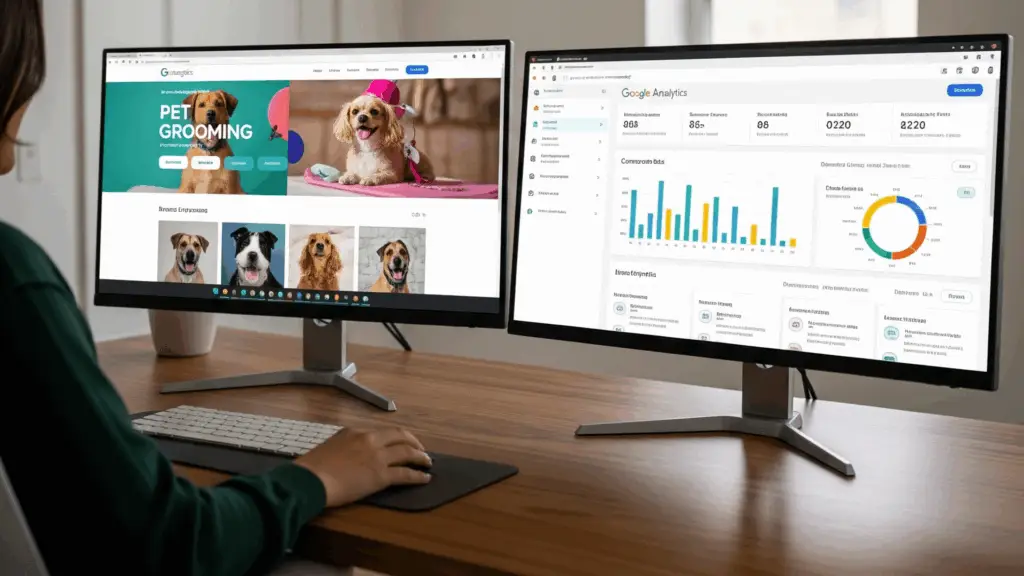
Today’s pet owners aren’t just walking into the nearest grooming salon or boarding facility—they’re researching, comparing, and choosing businesses they trust based on what they find online. Whether you’re offering dog walking, mobile grooming, or cat-sitting services, your digital presence plays a major role in how your pet care business grows. At Hit Marketing, we help local and mobile pet service providers grow using digital marketing strategies that are tailored, human-focused, and designed to convert. From SEO to clean website design and smart social media content, we don’t just bring traffic—we help you build lasting relationships with pet owners in your community. Let’s break down how the right online marketing strategy can give your pet care business a long-term competitive edge. Build Credibility with a Professional Website Your website is often the first interaction a potential client will have with your business. And in a service-based industry built on trust, first impressions matter. A professional, easy-to-navigate website is the foundation of every effective digital marketing strategy. Here’s what a high-performing pet care website should include: A clear description of your services—whether it’s grooming, walking, or pet boarding Real reviews and testimonials from happy clients Mobile-friendly design for easy browsing on phones and tablets A fast-loading experience with easy contact forms and online booking options A thoughtful website isn’t just about looks—it’s your business’s digital storefront. When it’s built with your audience in mind, it becomes the hub of all your online marketing efforts, helping you convert visits into bookings. Improve Visibility with SEO and Content That Speaks to Pet Owners No matter how great your services are, if your business doesn’t show up on search engines, you’re losing potential clients. That’s why search engine optimization (SEO) is a cornerstone of any successful digital marketing strategy for pet care businesses. Key local SEO strategies for your business include: Local Listings & Google Business Profile: Ensuring accurate location info for searches like “dog walker near me” Keyword Optimization: Using natural terms like “cat boarding in [city]” or “mobile pet grooming” Helpful Content: Blog posts like “Top 5 Dog Grooming Tips” build trust and improve rankings By investing in SEO as part of your broader digital outreach strategy, you increase visibility among the exact audience that’s looking for your services—and you build trust while doing it. Use Social Media to Connect with Local Pet Owners Social media gives pet care businesses an opportunity to show personality, build relationships, and keep customers engaged. Whether it’s Instagram stories featuring happy pups or Facebook updates with last-minute availability, platforms like these support your digital marketing strategy in powerful, personal ways. Benefits of using social media for pet care services include: Showcasing your brand personality with fun, pet-friendly content Building trust with behind-the-scenes posts or staff introductions Promoting limited-time offers or new services Sharing helpful pet care tips that position you as an expert While SEO helps people find you, social media helps them connect with you emotionally. Combined, they form a balanced and effective online marketing system that draws clients in and keeps them coming back. Automate and Personalize Client Follow-Ups with a CRM It’s one thing to get new leads—it’s another to stay in touch and turn those leads into long-term clients. That’s why a lead nurturing CRM (Customer Relationship Management system) is such a valuable part of your digital marketing toolkit. With a CRM, you can: Capture and organize leads from your website and social media Send automated emails for appointment reminders, follow-ups, or seasonal offers Track customer behavior and improve communication based on their interests Manage bookings, service notes, and customer history—all in one place This is where your digital marketing strategy becomes actionable. A CRM helps you deliver better customer service, retain clients longer, and run your business more efficiently—all while freeing up your time. Combine Digital Marketing Strategies for Real Growth Each piece of your marketing—your website, SEO, social channels, and CRM—should work together as one connected system. The businesses that succeed long-term are the ones who implement digital marketing strategies that feel seamless and customer-focused. When you put it all together, here’s what happens: Your website makes a strong first impression Your SEO gets you found by local pet owners Your social media builds relationships and loyalty Your CRM follows up and converts interest into bookings Whether you’re just starting out or looking to scale your pet care business, the right online strategy can bring consistent results. Ready to Grow Your Pet Care Business? Growing your pet care business doesn’t have to be guesswork. With the right digital marketing strategies, you can reach more pet owners, build stronger client relationships, and create a business that stands out in a crowded market. At Hit Marketing, we partner with pet care businesses like yours to build custom strategies that get real results. From beautiful websites and search engine visibility to lead nurturing systems and social media campaigns, we help you grow with purpose. Give us a call at (951) 906-9171 or complete the contact form to get started. Let’s explore how we can help your pet care business attract more clients—consistently and confidently.

Marketing Strategies
Digital Marketing

Top Marketing Strategies for Every Beauty & Personal Care Business

The beauty and personal care industry is unique—clients don’t just buy products or services; they invest in how those services make them feel. Whether it’s a relaxing spa treatment, a fresh haircut, or a skincare regimen, building trust and connection is key. But standing out in this crowded market can be challenging. Traditional methods like word-of-mouth or simple flyers aren’t enough anymore. Today’s consumers look online first — checking reviews, browsing social media, and booking appointments through websites. That’s why having the right marketing strategies in place is essential for any beauty business looking to grow. From optimizing your Google Business Profile to creating a website that converts visitors into clients, each step can make a big difference in attracting and keeping customers. In this article, we’ll cover the top marketing strategies every beauty and personal care business should focus on — practical approaches that bring real results and that you can start using today. 1. Optimize Your Google Business Profile for Local Visibility When someone searches for a nearby salon, spa, or beauty service, Google Business Profile (formerly Google My Business) is often their first stop. Having a fully optimized profile means your business shows up in local searches, Google Maps, and the “Local Pack”—the top results highlighted with map pins. This visibility drives more calls, website visits, and foot traffic. Key actions to optimize your Google Business Profile: Complete all profile sections: Add your address, phone number, business hours, and detailed service descriptions. Use high-quality photos: Showcase your workspace, team, and results like before-and-after shots. Collect and respond to reviews: Encourage happy clients to leave positive reviews and reply promptly to build trust. Keep your info updated: Seasonal hours, new services, or special promotions should be reflected immediately. Utilize Google Posts: Share timely offers, events, or tips directly on your profile to engage searchers. This strategy is a low-cost, high-impact way to make sure local clients find you first. 2. Build a Website That Turns Visitors into Clients Your website is often the first impression potential clients get of your beauty or personal care business. It’s not just about looking pretty—it needs to work hard by clearly communicating your services, making it easy to book appointments, and encouraging visitors to take action. Think of your website as your digital storefront. A clean, modern design that’s mobile-friendly is a must, since many clients will find you on their phones. Plus, fast loading speeds and simple navigation keep visitors from bouncing away. Key elements your website should include: Clear service menus with descriptions and pricing (if possible) Online booking or easy contact options to reduce friction Testimonials and before/after galleries to build credibility Calls to action (CTAs) that guide visitors—like “Book Now” or “Schedule a Consultation” Your website should reflect your brand’s personality and make visitors feel confident they’ll get the experience they’re looking for. 3. Create Engaging Content That Builds Trust and Authority In the beauty industry, your expertise and personality matter just as much as your services. One of the best ways to showcase that is through content creation—whether it’s blog posts, social media updates, or videos. Sharing useful tips, product recommendations, behind-the-scenes looks, and client success stories helps you connect with your audience and establish your brand as a trusted authority. It also boosts your search engine rankings, making it easier for new clients to find you online. For example, a skincare clinic might publish blog posts about common skin concerns, while a hair salon could share styling tutorials or seasonal hair care advice. Meanwhile, a spa could post relaxing self-care tips or introduce new treatments through Instagram Reels or TikTok videos. Regular, authentic content keeps your audience engaged and encourages them to book appointments or share your brand with friends. 4. Use Automation Tools to Keep Clients Coming Back In the beauty and personal care world, building lasting relationships is everything. Repeat clients are the backbone of a thriving business, and automation tools can help make staying connected effortless and effective. Automated email and SMS campaigns remind clients of upcoming appointments, offer special promotions, or suggest seasonal services. This kind of personalized communication shows clients you care, without adding to your daily workload. You can also use CRM (Customer Relationship Management) systems to track client preferences, birthdays, and service history—enabling you to tailor your marketing and upsell relevant treatments. For example, a salon might automatically send a hair care tip a week after an appointment or a discount on color treatments before the next scheduled visit. When done right, automation keeps your business top of mind and increases the likelihood that clients will choose you again and again. 5. Leverage Social Media to Showcase Your Brand and Engage Clients Social media has become essential for beauty and personal care businesses. Platforms like Instagram, TikTok, and Facebook are where potential clients discover new trends, get inspired, and decide who they want to trust with their personal care. Sharing a mix of behind-the-scenes moments, client transformations, tutorials, and user-generated content helps build an authentic connection with your audience. But keeping up with regular posting, engagement, and ad targeting can be time-consuming. That’s where a partner like Hit Marketing comes in. We help beauty businesses stay active and relevant on social media by managing content creation, scheduling, and community interaction—so you can focus on what you do best. With consistent, engaging posts and thoughtful audience engagement, your brand builds loyalty and expands its reach naturally. How to Boost Your Beauty Business with Proven Marketing Strategies In the competitive beauty and personal care market, building strong connections and delivering memorable experiences—both online and offline—is essential for lasting success. Implementing targeted marketing strategies like optimizing your Google Business Profile, designing a client-focused website, sharing valuable content, using automation to nurture relationships, and maintaining an engaging social media presence can significantly increase your visibility and customer loyalty. Each of these strategies works together to attract new clients while encouraging repeat visits, helping your business thrive in today’s digital landscape. And if

Scroll to Top

We'd like to see you grow!

Fill out the form below and we will be in touch with you shortly.

Who doesn’t love a no-obligation, free SEO audit?
Get insights on your website’s performance and discover opportunities to rank higher—completely free!

Choose Your Plan

Cancel any time.

Feature/Service

Startup

$499 /month

Growth

$899 /month

Premium

$999 /month

Website Design

3–5 pages
(Mobile-friendly)

5–10 pages
(Optimized for conversions)

Unlimited pages
(Advanced UI/UX)

SEO

Basic SEO
(Meta tags, speed optimization, keyword research)

Advanced SEO
(Keyword strategy, backlinks, content enhancements)

Full SEO Strategy
(Local SEO, technical SEO, high-quality content)

Google My Business & Maps Setup

Lead Nurturing CRM

Free for 3 months

Free for 6 months

Free for 12 months

Social Media Services

Page Creation (FB, IG, LinkedIn, or Twitter)

Management (2–3 posts per week, engagement strategies)

Growth Plan (3+ posts per week, engagement & video content)

Email Marketing & Automation

Landing Page for Ads

Google Ads & PPC Management

Content Strategy

Basic Content (Home, About, Services, Contact)

Website Content
Enhancements

Advanced Blog Strategy
(SEO-optimized articles)

Conversion Rate Optimization (CRO)

Domain Name Registration

SSL Certificate (Security)

Monthly Performance Reports

Website Updates & Support

Basic Maintenance

Ongoing Updates & Support

Priority Support

Dedicated Account Manager

Let's Get Started.

Choose Your Plan

Cancel any time.

Startup Package – Perfect for new businesses establishing an online presence

$499/ month

Growth Package (For businesses ready to scale and increase leads)

$899/ month

Premium Package (Full-service marketing with automation & ads management)

$999/ month

Are you ready to take your business to the next level?

Secure you 1-on-1 strategy session with us today using the calendar below!

SCHEDULE NOW

LIMITED SPOTS AVAILABLE!


Hit Marketing helps service-based businesses like yours increase sales and grow revenue through powerful, results-driven digital marketing strategies. Our mission is to help 100 businesses across the U.S. scale and achieve their full potential in the digital world.

Privacy Policy

© Copyright 2025 • Hit Marketing

(951) 906-9171